
Authentic Dublin Coddle Recipe
Brief History
Dublin Coddle is a traditional Irish dish with deep roots in Dublin’s working-class history. The word “coddle” comes from the method of slow simmering or “coddling” the ingredients, allowing flavors to meld together over time. The dish was often made by Irish wives to use up leftovers, particularly sausages and bacon, and it would be left simmering for their husbands returning late from the pub. Coddle is hearty, comforting, and perfect for cold evenings, often served with slices of bread to soak up the delicious broth.
Ingredients
For the Coddle:
- Pork sausages (preferably Irish-style):
◦ 1 lb (Imperial)
◦ 450g (Metric)
- Thick-cut bacon (or pork belly rashers), chopped:
◦ ½ lb (Imperial)
◦ 225g (Metric)
- Potatoes (peeled and sliced thickly):
◦ 2 lbs (Imperial)
◦ 900g (Metric)
- Onions (sliced):
◦ 2 medium
- Carrots (peeled and cut into thick rounds) (optional):
◦ 2 large
- Water or broth (chicken or vegetable stock works well):
◦ 2 cups (Imperial)
◦ 480ml (Metric)
- Fresh parsley (chopped):
◦ 1 tbsp (Imperial & Metric)
- Salt:
◦ To taste
- Black pepper:
◦ To taste
Instructions
Step 1: Prepare the Meat
Start by browning the sausages in a frying pan over medium heat. You don’t need to cook them through, just give them a golden color to add flavor. Remove from the pan and set aside.
In the same pan, cook the chopped bacon (or pork rashers) until slightly crispy. This will render some fat that will enhance the flavor of the coddle.
Step 2: Layer the Ingredients
In a large pot or Dutch oven, begin layering the sliced potatoes, onions, and carrots (if using) at the bottom. This forms the base. Then, add the browned sausages and cooked bacon on top of the vegetables.
Step 3: Add Liquid
Pour the water or broth over the layered ingredients. The liquid should come about halfway up the sides of the pot, but not cover the ingredients completely. This will ensure a steamy, slow braising effect that “coddles” the dish.
Step 4: Season
Season generously with salt and black pepper. Add the chopped parsley for freshness.
Step 5: Slow Simmer
Cover the pot with a tight-fitting lid and simmer gently over low heat for 1.5 to 2 hours. Alternatively, you can cook the coddle in a preheated oven at 300°F (150°C) for about 2 hours. Check occasionally to ensure the liquid hasn’t evaporated completely—add a little more broth or water if necessary.
Step 6: Serve
Once the vegetables are tender and the sausages fully cooked through, your Dublin Coddle is ready to serve! Ladle the coddle into bowls, ensuring each portion has a mix of sausages, bacon, and vegetables, along with the flavorful broth.
Serving Suggestions
Serve your Dublin Coddle with Irish soda bread or hearty crusty bread to soak up the broth. You can also sprinkle more fresh parsley on top for garnish.
Enjoy your hearty, authentic Dublin Coddle!
Irish Soda Bread Recipe
Brief History
Irish Soda Bread is a traditional staple in Irish households, with a history closely tied to the country’s agricultural practices and economic challenges. The bread’s origins date back to the early 19th century, around the 1830s, when baking soda was first introduced in Ireland. This allowed bread to be made quickly and inexpensively, a vital necessity during times of famine and hardship. Soda bread, with its simple ingredients—soft wheat flour, baking soda, salt, and buttermilk—became a cornerstone of Irish cooking, especially in rural areas where yeast was hard to come by. The bread was typically baked in iron pots or on griddles over open hearths, producing its signature dense texture and slightly tangy flavor from the reaction between baking soda and the acidic buttermilk.
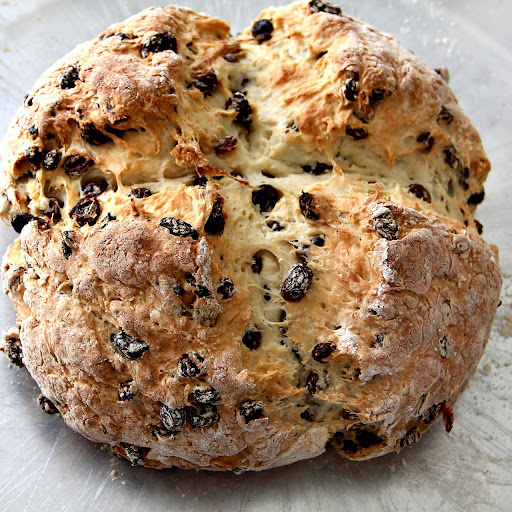
Traditionally, the Southern Irish baked their soda bread in round loaves, often marking the top with a cross, believed to “let the fairies out” or to ward off evil spirits. Northern Ireland, on the other hand, favored dividing the dough into four triangular farls, cooking them on a griddle.
Today, Irish Soda Bread remains a cherished recipe, with families passing down their unique versions, sometimes incorporating extras like raisins, seeds, or even treacle. Despite the variations, the fundamental recipe has stood the test of time, representing a strong connection to Ireland’s past and culinary heritage.
Ingredients
- All-purpose flour (plain flour):
◦ 4 cups (Imperial)
◦ 500g (Metric)
- Baking soda:
◦ 1 tsp (Imperial & Metric)
- Salt:
◦ 1 tsp (Imperial & Metric)
- Buttermilk:
◦ 1¾ cups (Imperial)
◦ 400ml (Metric)
- Unsalted butter (cold, diced):
◦ 2 tbsp (Imperial)
◦ 30g (Metric)
- Optional Add-ins (raisins, caraway seeds):
◦ ½ cup (Imperial)
◦ 75g (Metric)
Instructions
Step 1: Preheat the Oven
Preheat your oven to 425°F (220°C) and line a baking sheet with parchment paper or lightly flour it.
Step 2: Mix Dry Ingredients
In a large bowl, sift together the flour, baking soda, and salt. If using raisins or caraway seeds, mix them in at this stage.
Step 3: Work in the Butter
Add the cold butter cubes to the dry mixture. Use your fingers to rub the butter into the flour until the mixture resembles coarse crumbs.
Step 4: Add Buttermilk
Make a well in the center of the dry ingredients and pour in the buttermilk. Gently mix until a soft dough forms. Avoid overworking the dough to keep the bread light.
Step 5: Shape the Dough
Transfer the dough onto a floured surface and shape it into a round loaf, about 1½ inches (4 cm) thick. Place it on the prepared baking sheet.
Step 6: Score the Loaf
Using a sharp knife, cut a deep cross into the top of the dough. This helps the bread bake evenly and, according to tradition, releases any trapped spirits!
Step 7: Bake
Bake the bread in the preheated oven for 15 minutes, then reduce the heat to 400°F (200°C) and continue baking for another 25-30 minutes. The bread is done when the crust is golden brown and it sounds hollow when tapped on the bottom.
Step 8: Cool and Serve
Let the bread cool on a wire rack before slicing. It’s best served warm with butter or alongside a hearty stew.
Serving Suggestions
Irish Soda Bread pairs beautifully with butter, jam, or a thick slice of Irish cheese. It’s also traditionally served with stews or soups, perfect for soaking up the broth. Enjoy it freshly baked, as it is best consumed the same day, although it can be stored in an airtight container for a couple of days.